
Jury finds misadventure after inquest into death of David Brown
27 October 2026
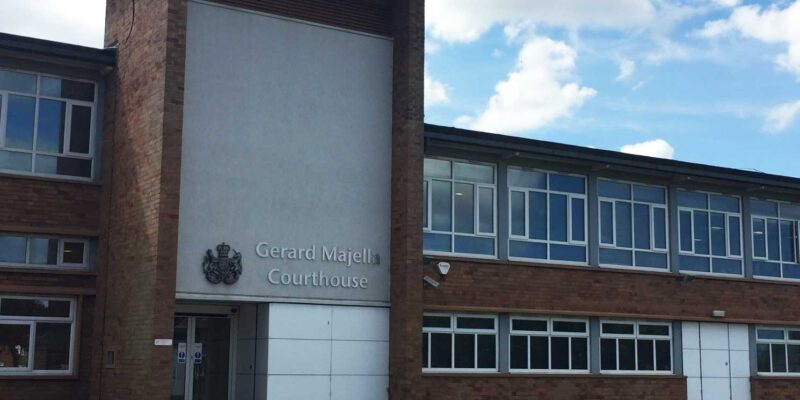
Garden Court North’s Kate Stone represented David’s family during the inquest at Liverpool and Wirral Coroner’s Court (pictured). Credit: Liverpool & Wirral Coroner Area.
An inquest jury has found that David Brown, a 41-year-old man from Liverpool, died of misadventure after ingesting a toxic amount of cocaine shortly before a stop and search by Merseyside Police officers on 21 August 2024.
The inquest, which concluded last Friday (23 October 2026), heard that David was detained and taken to St Anne Street Police Station to be searched before being released.
Shortly after arriving home, David collapsed. He was taken to the Royal Liverpool University Hospital, where his death from cocaine toxicity was confirmed.
The jury concluded with a finding of misadventure after hearing that David was detained under Section 23 of the Misuse of Drugs Act 1971. The search was negative and he was released.
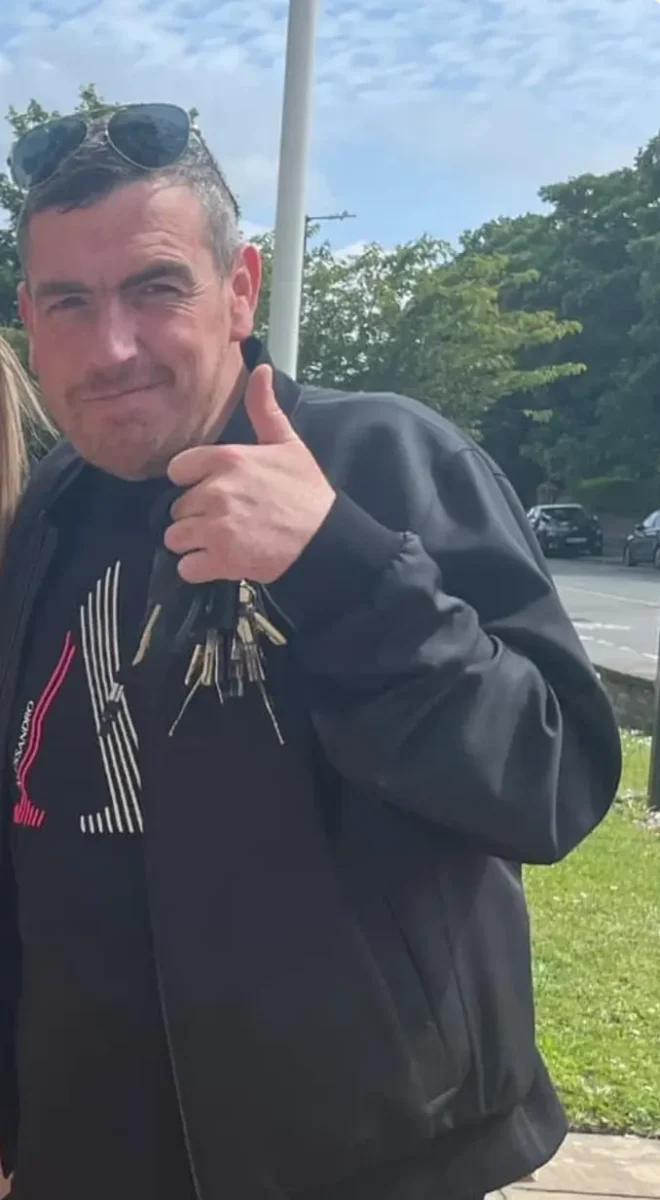
David, whose family was represented by Garden Court North’s Kate Stone during the inquest, was described by his niece in a pen portrait read out at the inquest as a “devoted” and “hands-on” father with a “larger than life personality”.
21 August 2024
On the day of his death, David was travelling as a passenger in a taxi when Merseyside Police officers pulled the vehicle over and conducted a search on him because they suspected he may have been in possession of drugs.
Witnesses told the inquest they saw David being physically restrained by the police officers, who appeared to be searching for something in David’s mouth. Accounts from police officers also recounted David being physically restrained in an attempt to check his mouth.
The inquest heard that a police officer hit David with “dynamic strikes” on the back during the search, which was also seen by witnesses.
A pathologist told the inquest they found a number of injuries such as grazes or bruising on David’s body, but that these did not contribute to his death.
During the stop and search, some police officers did not turn their body cameras on, which they told the inquest was due to them believing the cameras of other officers present would capture any evidential footage required.
The inquest heard that officers performed a strip search of David at the station. It came back negative and David was released without charge.
The inquest heard that if police officers know or suspect that an arrested person has swallowed drugs, they must treat them as being in need of urgent medical attention and transfer them straight to hospital. The Coroner was told that David was never placed under arrest, meaning the police did not have the power to force him to attend hospital.
The inquest heard that after his release, David took a taxi to an address in Anfield, Liverpool, where he reported he had swallowed drugs and that he was feeling ill. He asked for an ambulance but collapsed shortly after, suffering an apparent seizure.
Emergency services transported David to Royal Liverpool University Hospital in a state of cardiac arrest and attempted to resuscitate him, but he was pronounced dead at the hospital that afternoon.
Coroner send Prevention of Future Deaths report to Merseyside Police
The jury recorded that the actions of officers were not wholly in accordance with College of Policing guidelines due to inconsistency with local training. This was highly unlikely to change the outcome of David’s death.
Nonetheless, Coroner Mr David Lewis decided that he will send a Prevention of Future Deaths report likely to Merseyside Police, and possibly the College of Policing.
The Coroner raised his concerns about training, and that officers in their evidence did not feel their training equipped them to deal with the situation.
Police powers under Section 23 for stop and search are used on a regular basis. He said he was concerned in this particular context about the difference between stop and search detention and a situation where there is an arrest.
Following the inquest, David’s sister Leeann Doolin said: “David, or Brownie to those close to him, was a much-loved central point in our family, who brought joy, laughter and energy into every room he entered. He had a larger than life personality and a natural ability to build rapport with almost anybody, and above all was a devoted father who loved spending time with his children. We are grateful to the jury for taking the time to carefully examine the information and circumstances around David’s death. While this inquest has required us to reflect on the circumstances surrounding David’s death, these circumstances do not define the person he was.”
“We feel there is a gap in the duties the police have towards a person detained for the purpose of a search when it is suspected that drugs have been swallowed.”
“David’s loss has left a huge gap in the lives of our family, and all those who knew and cared for him. Words cannot truly capture how much he is missed.”
“We are eternally grateful to our barrister, Kate Stone for giving David and the whole family a voice in this process.”
Kate was instructed by Leanne Devine and Emily Driver of Leigh Day to represent David’s family.
Additional media
Leigh Day – Jury finds misadventure after inquest into death of David Brown
Liverpool ECHO – Conclusion in inquest of dad who died after taxi stopped by police in Anfield
BBC News – Inquest into death of man who died after police arrest opens
For further information, please contact Alex Blair, Communications Manager at Garden Court North Chambers: ablair@gcnchambers.co.uk