
Coroner finds failures in mental health care of Daniel Robson during admission at Priory Lakeside View Hospital
2 November 2026

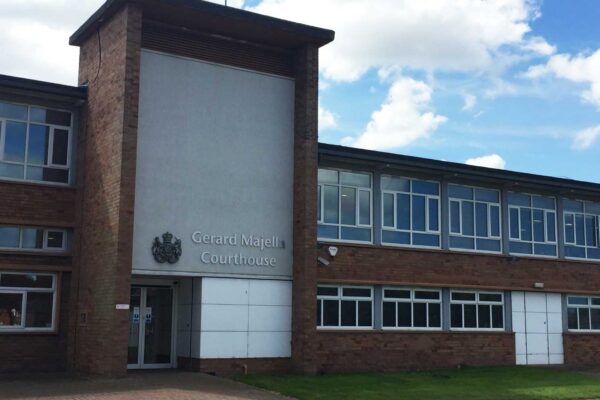
Garden Court North’s Ciara Bartlam represented Daniel’s family during the inquest at the Black Country Coroner’s Court. Credit: Derick Hudson / Shutterstock.
An inquest into the death of Daniel Robson has found that there were multiple failures in his mental health care provided during his admission at the Priory Lakeside View Hospital in Wolverhampton, where he tragically died on 31 January 2025.
The inquest, which concluded last week (29 October 2026) at the Black Country Coroner’s Court, found that there was a failure by nursing staff on the night of Daniel’s death to engage or interact with Daniel to understand how he was feeling and to escalate concerns about his presentation to the Nurse in Charge of the ward.
Although Senior Coroner Zafar Siddique did not find that Daniel’s death was contributed to by neglect, he said that the decision was “very finely balanced”.
Garden Court North’s Ciara Bartlam was instructed to represent Daniel’s family by Gemma Vine of Ison Harrison Solicitors.
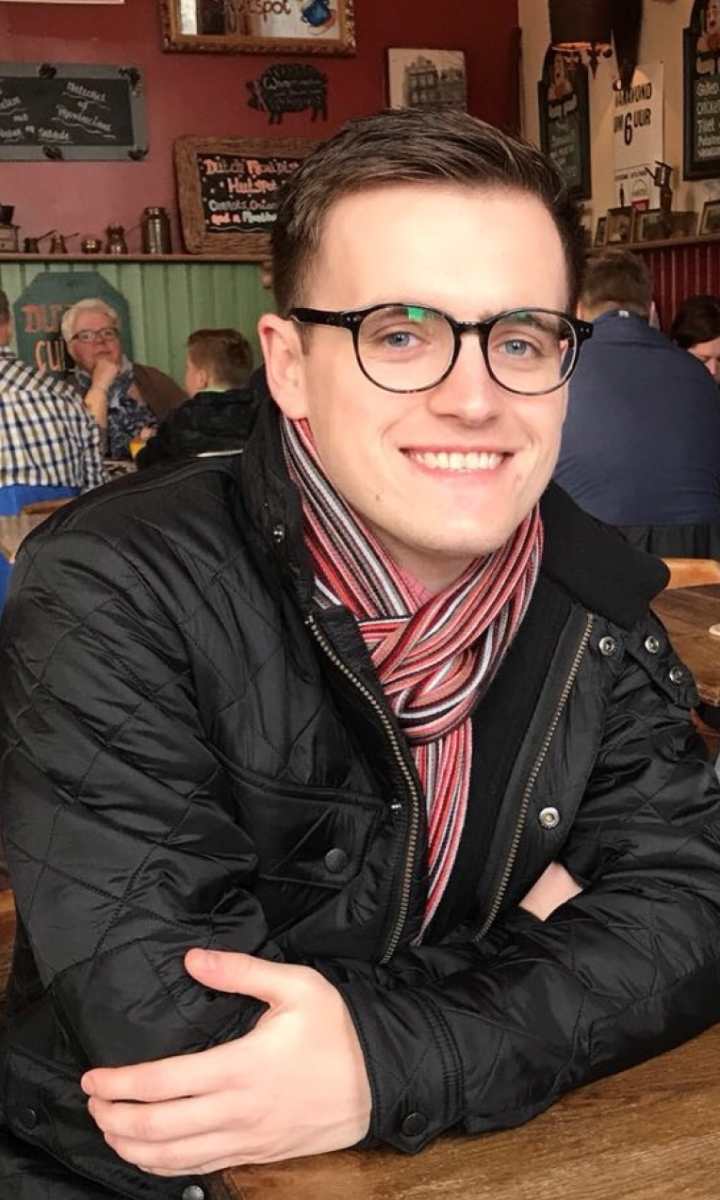
Daniel’s story
Daniel was 32 years old when he died and was an accomplished financial services professional, well-loved by those who knew him. As a child and teenager, Daniel excelled at football and was an avid Liverpool supporter. In the years before Daniel’s death, he had started to withdraw from friends and family and became socially isolated.
In the autumn of 2024, Daniel received confirmation of a house purchase which caused him significant anxiety even though it was affordable for him. Daniel pulled out of the purchase in late December 2024, but he believed it was the burden of this process that was the catalyst for his increased anxiety and inability to sleep that Christmas and the first week to ten days of the New Year.
On 11 January 2025, Daniel reached out to his parents to tell them that he was in Wales and had been found in the sea having made an attempt on his life. Daniel was not assessed under the Mental Health Act 1983 but was instead provided with temporary accommodation in a hotel which he paid for himself. Having collected Daniel from Wales the next day, his parents arranged for paramedics to assess him at home, and he was admitted to the Oleaster Psychiatric Decisions Unit in Birmingham and transferred to the Priory three days later on 15 January 2025.
This was Daniel’s first interaction with mental health services during his lifetime. During his two-week admission to the Priory, doctors considered that Daniel may have been suffering from stress-induced psychosis and that he may have been autistic. Daniel was started on antipsychotic medication and although the symptoms of psychosis seemed to improve, his condition deteriorated again on or around 27 January 2025.
31 January 2025
In the early hours of 31 January 2025, there was a significant incident in which Daniel was found on his bed holding his shirt and sweating with an evident bruise to his elbow. This was escalated to the Nurse in Charge who called the Night Manager and duty doctor to attend the ward. Even though Daniel was not detained under the Mental Health Act 1983, the Nurse in Charge said that she asked him to wait in the lounge until the doctor arrived, where she watched him constantly.
Shortly after this incident, Daniel attended the nursing station and told the Nurse in Charge that he had thoughts to harm himself with material in his room. Many of the witnesses who attended the inquest denied that Daniel expressed thoughts of suicide or that he was at risk, even though they accepted that the material could be used for that purpose. Following this incident, Daniel’s observations were increased to four per hour, and some high-risk material was removed from his room.
Later that morning, Daniel was reviewed by his Consultant Psychiatrist who said they discussed the incident the night before but did not record anything about a potential risk or what Daniel had intended to do with the material. The Consultant Psychiatrist said that Daniel denied thoughts of self-harm or suicide when asked and said that he felt that Daniel was not at risk of suicide at this point, although accepted that he could be impulsive as shown by the incident in Wales. Daniel had explained that he was anxious about going on overnight leave later that day, so it was agreed that that would be postponed.
Despite having an open and honest relationship with Daniel’s father and full consent from Daniel to share information, the Consultant Psychiatrist did not tell Daniel’s father any of the details about the incident when he spoke to him over the phone after the review. The Consultant Psychiatrist accepted that he should have done so and was not able to say why did not tell Daniel’s father what had happened when they spoke, either before or shortly after Daniel’s death. Daniel’s family only learned of the incident on the night of 30-31 January 2025 through the serious incident investigation months later.
Following the review on the morning of 31 January 2025, Daniel’s observation level was reduced from four checks per hour to two, so that he could go on escorted leave with a member of ward staff. There was no plan in place to mitigate the risk and no consideration of potentially increasing Daniel’s observations again that night if required.
Daniel appeared more settled during the day on 31 January 2025 but asked for medication to help with anxiety at around 7.20pm and was observed to be ‘pacing’, ‘confused’ and ‘unsettled’ by healthcare assistants (‘HCAs’) conducting observations later that evening which was a similar presentation to the night before.
There were three members of staff on duty on the night of Daniel’s death; a nurse and two HCAs. The Nurse in Charge and one HCA were familiar with Daniel and had been involved in the incident the night before. The second HCA was employed by an agency and had not met Daniel before. It transpired during the hearing that they were not up to date with their training on observations which had expired in November 2024, and their observations competence had not been checked by the Nurse in Charge who said she was satisfied they were competent by their presence on the ward.
Although the agency HCA who had not met Daniel before said that he was aware of the risk from the handover meeting at around 7.30pm that evening, both the HCA and Nurse in Charge who had been involved in the incident the night before said they did not know specific nature of the risk Daniel faced. The agency HCA was not given any information on Daniel’s risk factors, which included increased anxiety and isolation, or any other signs to look out for when working with Daniel.
The Coroner found that there was a failure by nursing staff on the night of Daniel’s death to engage or interact with Daniel to understand how he was feeling and to escalate concerns about his presentation to the Nurse in Charge of the ward. Although Daniel had been observed to be pacing and confused, no member of staff – including the Nurse in Charge – asked Daniel how he was feeling or assessed his mental state in the three hours before he was found unresponsive, despite there being opportunity to do so. Although the Coroner did not find that Daniel’s death was contributed to by neglect, he said that the decision was ‘very finely balanced.’
The Coroner said that he will be issuing a prevention of future deaths report relating to environmental risks at the Priory which have not been resolved since Daniel’s death.
Speaking after the inquest, Daniel’s family said: “Daniel’s passing leaves a missing piece in our lives and the lack of intervention on the evening he died will forever remain painful. He had fully committed to the hospital’s care having realised how ill he had become and was actively seeking to improve his health to enable his full return to work and continue to live an independent and fulfilling life. Sadly, he was unable to give himself sufficient time to enable him to make the recovery he wished for, and we continue to mourn his extremely sad passing.”
“We would like to sincerely thank the paramedics and ambulance service team that tried to support Daniel and for their safeguarding referral that facilitated this thorough review. Whilst an inquest of this nature is a painful experience, we are grateful that the significant gaps in care were highlighted and the hospital’s own internal enquiry identified a number of areas for development or change that seek to protect future patients’ care.”
“Given the wider context of mental health services across UK healthcare remaining under increased pressure, it is vitally important that any external corporates the NHS outsource to are held to high standards of care and where areas of concern are raised that these areas are acted upon. We are therefore concerned that after such a distressing death some lessons do not seem to have been learned and that future lives may be compromised because of this.”
“We wish this was not the case and that this statement was not required but feel an overwhelming urge to help other families to remain safe during testing times by highlighting where gaps remain. Whilst being mindful that supporting patients with acute mental health issues is not an easy task, we hope that this inquiry into Daniel’s death highlights the importance of resource and processes within the care system to protect lives.”
Ciara was instructed to represent Daniel’s family by Gemma Vine of Ison Harrison Solicitors.
Daniel’s family do not wish to be approached directly by journalists and instead ask that any enquiries are made to Ison Harrison’s press office.
Journalists should refer to the Samaritans Media Guidelines for reporting suicide and self-harm and guidance for reporting on inquests.
For further information, please contact Alex Blair, Communications Manager at Garden Court North Chambers: ablair@gcnchambers.co.uk